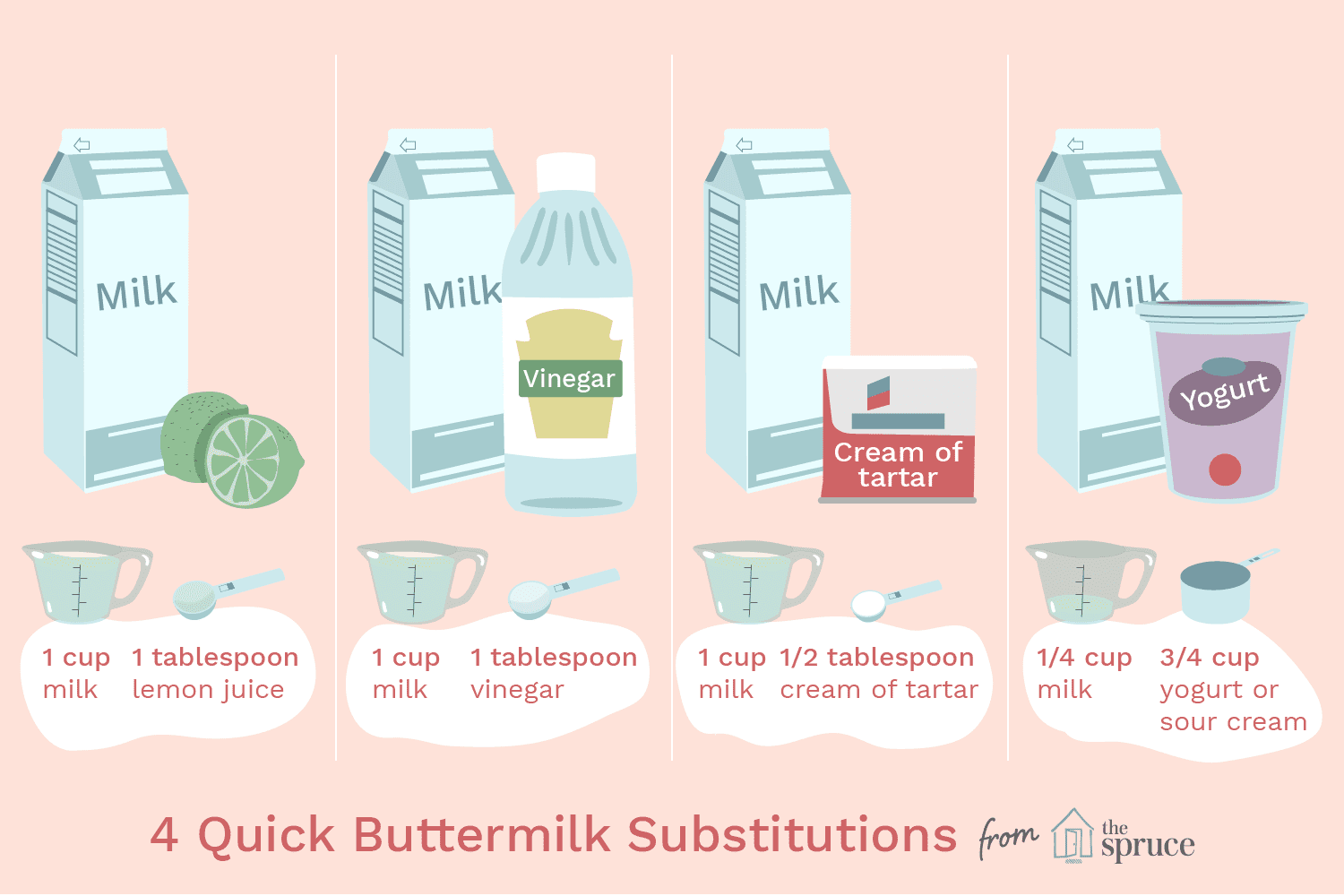
Buttermilk’s secret power is its acidity, which reacts with baking soda to give baked goods that light, fluffy texture. Milk alone is neutral, but you can easily add a touch of acid to mimic the real deal. Grab your milk and a common kitchen staple like lemon juice or white vinegar—that’s it. You’ve just become a kitchen wizard.
For every one cup of milk, stir in one tablespoon of lemon juice or white vinegar. Let it sit for five to ten minutes, and voilà—the milk will thicken slightly and form tiny curds. That’s your homemade buttermilk, ready for action!
Yes, It Really Works—Here’s Why
Science is your friend here, I promise. The acid causes the milk’s proteins to bind together, giving you that slightly tangy, creamy consistency. This substitution works perfectly in pancakes, waffles, scones, and even salad dressings. I’ve tested it in a dozen recipes, and the results are consistently delicious—no one ever notices the swap.
Now, a little disclaimer: this trick is best for low-fat or whole milk. Skim milk works too, but you’ll miss out on some richness. Also, don’t use this substitute if your recipe calls for buttermilk as a standalone drink—it will be curdled and weird. Stick to baking, my friend!

