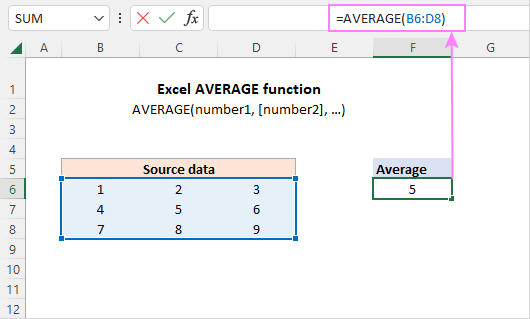
Sometimes Excel guesses wrong, and you need to be specific. That’s fine. In any empty cell, type =AVERAGE(. Now, you can either click each cell one by one (hold Ctrl to pick non-adjacent cells) or type the actual numbers separated by commas. For example: =AVERAGE(10, 20, 30) will give you 20. Math is a lie, but this one is true.
This method is great when you have numbers scattered across the sheet like breadcrumbs. It’s also perfect for when you want to exclude that one weird sale from last Tuesday. You know the one. The $0.50 coffee mug when everything else was $20. Just don’t include that cell, and your average stays honest.
What About Empty Cells and Zeros?
Here’s a fun surprise: Excel ignores empty cells when averaging, but it counts zeros. A zero is a party guest who showed up but brought nothing. An empty cell is the guest who didn’t even RSVP. Excel treats them differently. If you have a bunch of zeros dragging your average down, you might want to double-check if those are real data or just ghosts.
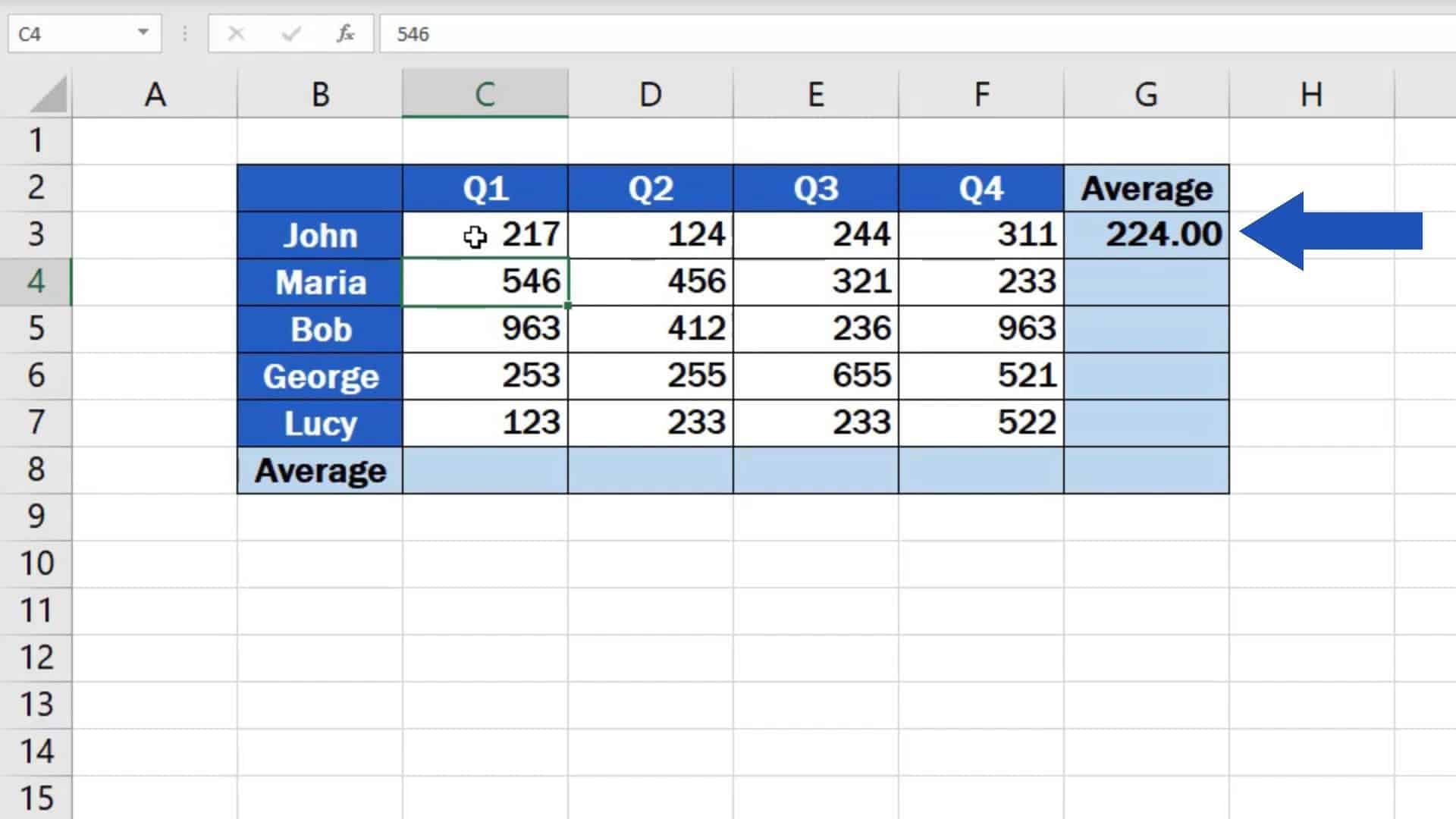 How to Calculate the Average in Excel
If you want to average only numbers that are above zero, you’ll need a fancier spell called =AVERAGEIF. But that’s a story for another coffee break. For now, just know that empty equals invisible, and zero equals “sad but present.”